INDUSTRIES / APPLICATION CONTEXT

Manufacturing Support for Demanding Industrial Applications

True Blue connects component requirements with suitable manufacturing resources, process planning, quality expectations, and repeat-supply needs.

Discuss Your Application
Representative industrial components arranged for application review
REPRESENTATIVE VISUAL

APPLICATION MODULES / 02

Review the component in its functional context.

Each module connects representative part types with the functional information needed to define an appropriate manufacturing route.

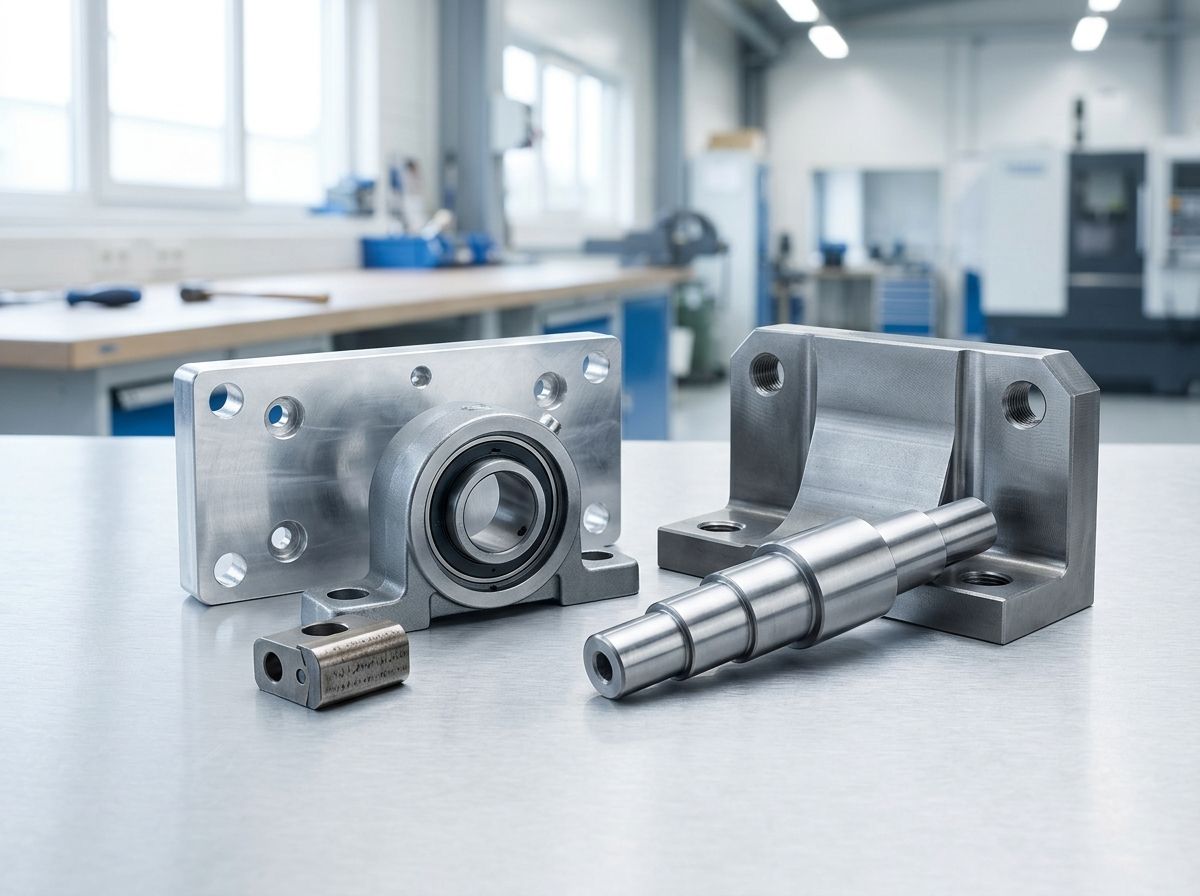
Representative industrial-equipment components including a shaft, bearing mount, and bracket
Representative manufacturing visual.
01

APPLICATION CONTEXT

Industrial Equipment

Industrial equipment components are considered in relation to mechanical function, installation environment, mating hardware, maintenance conditions, and expected replacement cycles.

Representative component types

  • Housings
  • Mounting plates
  • Brackets
  • Shafts and sleeves
  • Replacement machine components

Technical review priorities

  • Load and operating environment
  • Interfaces
  • Wear
  • Material condition
  • Repeat availability

Relevant capabilities

  • CNC milling and turning coordination
  • Feature-specific grinding evaluation
  • Finishing and treatment coordination
  • Inspection planning for functional features

Information to provide

  • Part function and operating conditions
  • Drawing or existing sample information
  • Mating interfaces and critical features
  • Quantity and repeat-demand expectations

APPLICATION REVIEW / PROJECT SPECIFIC

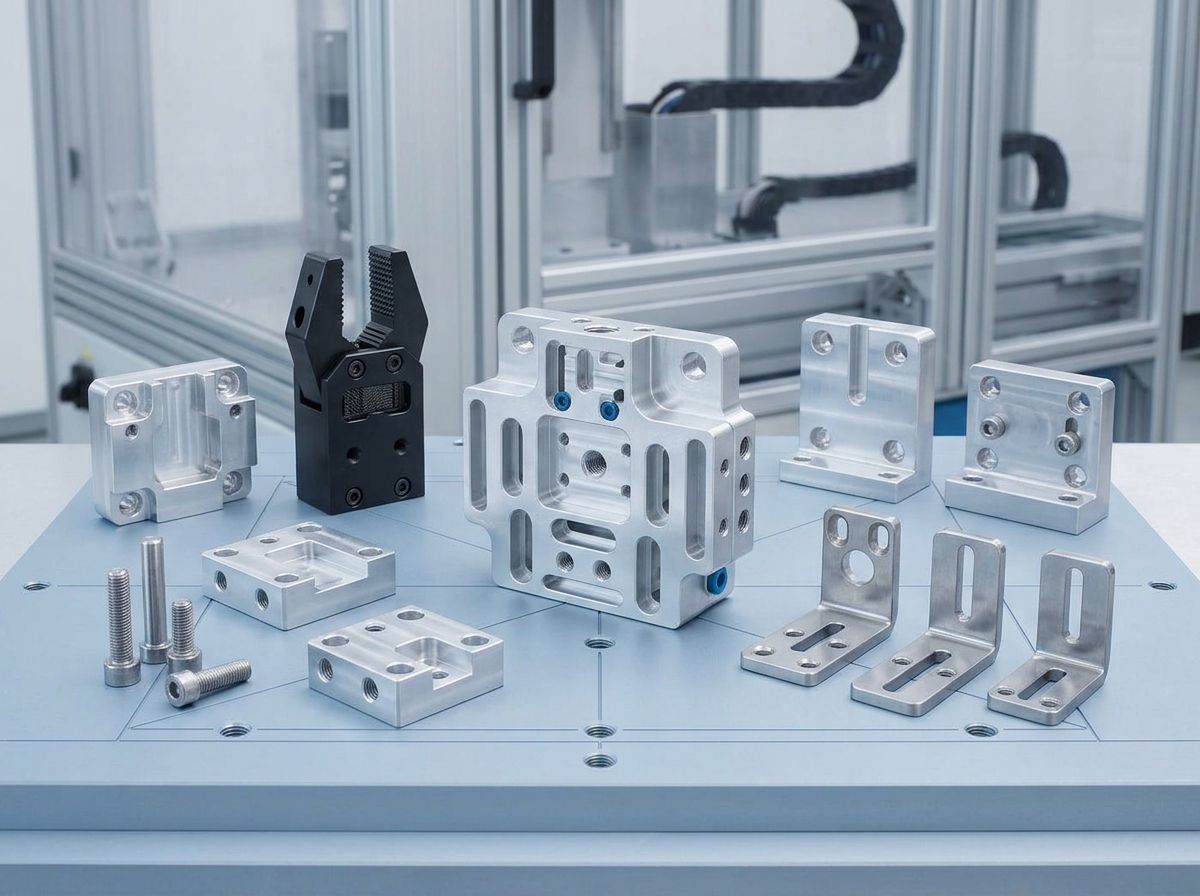
Representative automation fixture, gripper, mount, and alignment components
Representative manufacturing visual.
02

APPLICATION CONTEXT

Automation Components

Automation components are evaluated within their motion, fixturing, sensing, or handling system—not as isolated geometry.

Representative component types

  • Fixture components
  • Gripper fingers
  • Sensor mounts
  • Alignment parts
  • Motion-related components

Technical review priorities

  • Alignment
  • Repeatability
  • Assembly interfaces
  • Weight
  • Surface and edge condition

Relevant capabilities

  • CNC milling and turning coordination
  • Datum and interface assessment
  • Deburring and finishing coordination
  • Prototype and repeat-production planning

Information to provide

  • Assembly context or interface drawing
  • Datum and alignment requirements
  • Functional edge and surface expectations
  • Quantity, revisions, and repeat demand

APPLICATION REVIEW / PROJECT SPECIFIC

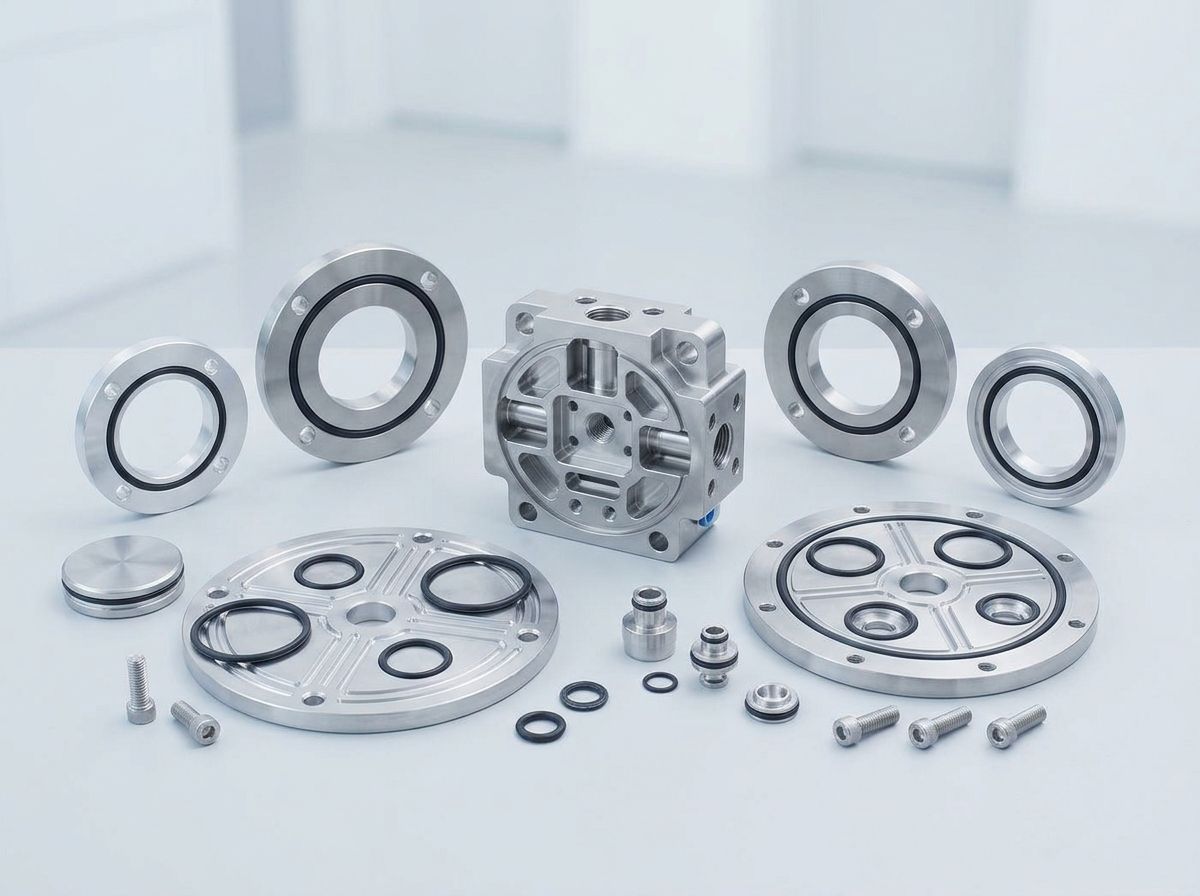
Representative flanges, housings, mating surfaces, and sealing-groove components
Representative manufacturing visual.
03

APPLICATION CONTEXT

Vacuum and Sealing Applications

Vacuum- and sealing-related components require careful definition of interfaces, groove geometry, mating surfaces, materials, cleanliness, and verification responsibilities.

Representative component types

  • Valve-related components
  • Sealing-groove features
  • Flanges
  • Housings
  • Precision mating surfaces

Technical review priorities

  • Sealing geometry
  • Surface condition
  • Material
  • Cleanliness
  • Inspection definition

Relevant capabilities

  • Precision-feature process evaluation
  • Sealing-groove and mating-surface assessment
  • Material and finish compatibility review
  • Inspection planning against agreed requirements

Information to provide

  • Mating and sealing interface definition
  • Material and surface requirements
  • Cleanliness and handling expectations
  • Customer-defined inspection or test responsibilities

APPLICATION REVIEW / PROJECT SPECIFIC

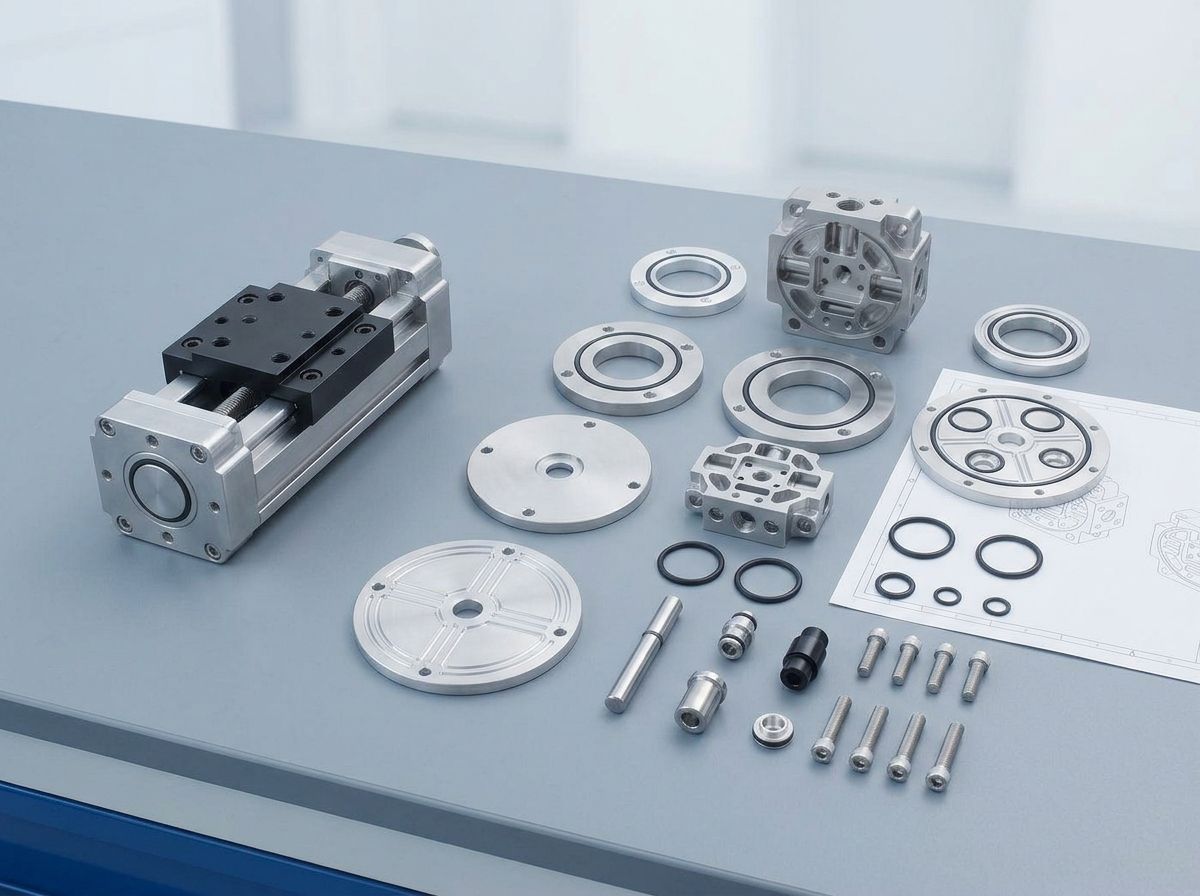
Representative mechanical component set arranged with fitted parts and an engineering drawing
Representative manufacturing visual.
04

APPLICATION CONTEXT

Custom Mechanical Assemblies

Mechanical assemblies are approached as connected component sets, with attention to fit, interfaces, process sequence, revision consistency, documentation, and repeat supply.

Representative scope

  • Coordinated machined components
  • Fitted parts
  • Small mechanical subassemblies
  • Multi-process component sets
  • Repeat spare assemblies

Technical review priorities

  • Interface control
  • Revision consistency
  • Fit
  • Assembly sequence
  • Documentation and packaging

Relevant capabilities

  • Multi-part drawing coordination
  • Primary and secondary-process planning
  • Fit and interface assessment
  • Documentation and packaging planning

Information to provide

  • Assembly drawing and component drawings
  • Bill of materials and revision status
  • Fit, sequence, and responsibility definition
  • Packaging and repeat-supply requirements

APPLICATION REVIEW / PROJECT SPECIFIC

CROSS-INDUSTRY REVIEW / 03

Six priorities connect the drawing to the application.

These priorities help connect drawing requirements with function, manufacturing, inspection, and repeat supply.

01Functional features
Identify which features control operation, fit, motion, sealing, load transfer, or serviceability.
02Material and environment
Review material condition alongside temperature, wear, corrosion, cleanliness, and handling expectations.
03Interfaces and datums
Connect mating features, alignment references, installation points, and datum logic to the application.
04Tolerance and surface finish
Apply requirements to functional features with material, geometry, process, and verification considered together.
05Inspection and documentation
Define critical characteristics, inspection approach, records, and any customer-specified responsibilities.
06Repeat production and revision control
Maintain alignment between approved requirements, revisions, documentation, and repeat-supply expectations.

COMPACT PROJECT PATH / 04

From application context to repeat coordination.

  1. 01Application review
  2. 02Drawing and interface review
  3. 03Manufacturing route and resource matching
  4. 04Prototype or first-part validation
  5. 05Repeat-production coordination

APPLICATION INFORMATION / 05

Information that supports a focused review.

Share what is already defined. Open technical, quality, or supply questions can then be identified and clarified.

  • 01Part function
  • 02Operating environment
  • 03Mating components
  • 04Material
  • 05Critical features
  • 06Quantity
  • 07Inspection requirements
  • 08Existing sample or drawing
  • 09Repeat demand

DISCUSS AN APPLICATION / 06

Tell us how the part needs to perform.

Share the drawing, functional context, interfaces, quantity, quality requirements, and repeat-demand expectations to begin a focused evaluation.

Discuss Your Application